The person
Emotions, motivation, self-confidence and perception of risk. Recognise how you feel and how this affects your riding.
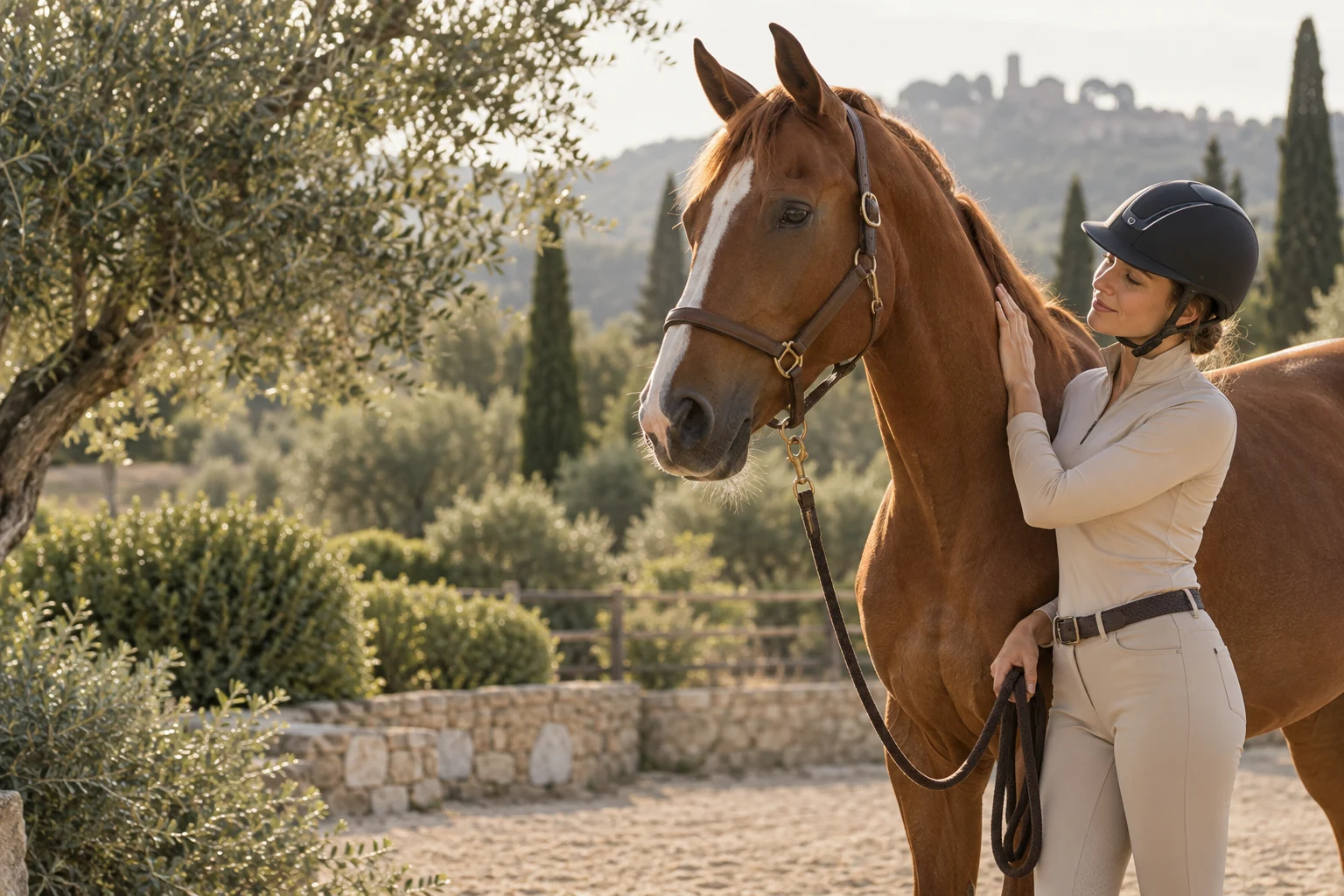
Understand the person. Understand the horse. Improve the relationship between them.
Psychology, sports coaching and equine behavioural science to move forward with greater confidence, balance and wellbeing.
Riding involves more than technique. Emotions, expectations and experience interact with a horse’s temperament, learning and needs. Understanding the whole picture helps us work on what is actually happening.
Emotions, motivation, self-confidence and perception of risk. Recognise how you feel and how this affects your riding.
Temperament, experience, learning and welfare. Understand responses without assuming human intentions.
Clear cues, realistic expectations and shared experiences. Communication that both partners can understand.
Support tailored to you, your horse and where you are in your journey.
A fall, an unexpected reaction or a recurring difficulty can change how you experience riding. We explore what triggers insecurity and develop resources to move forward at your pace, with safety in mind.
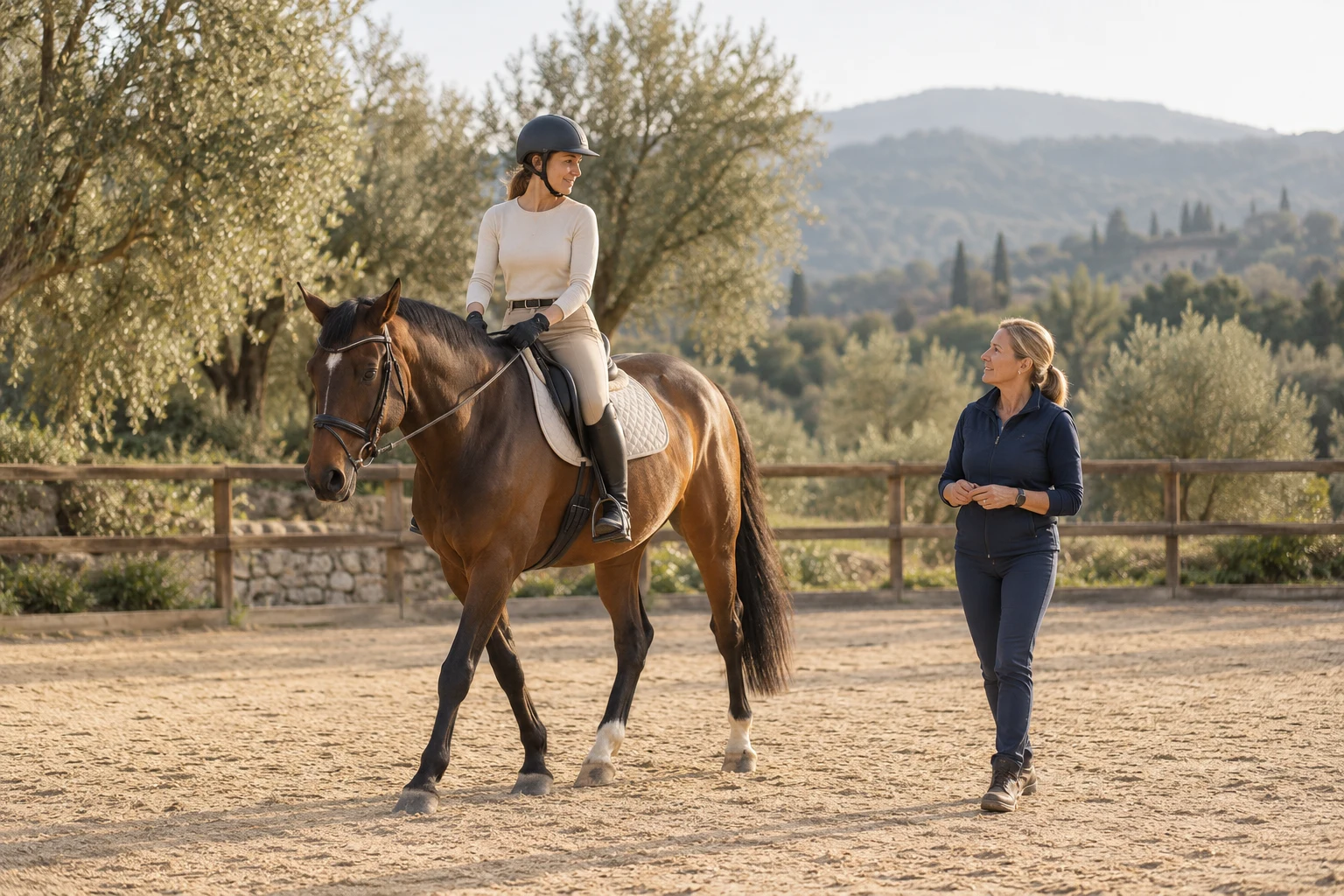
Cantering, jumping, hacking or riding a particular horse. Distinguish useful caution from fear that disrupts your riding.
Understand memories and anticipation of another accident, and gradually return to activities.
Recognise worry, tension and negative thoughts before riding, and address avoidance.
Develop realistic confidence from your own resources rather than comparison or constant approval.
Adjust expectations, recognise progress and rediscover meaningful goals.
Regulate tension and frustration and regain attention while riding.
We begin with an interview and initial assessment. We agree goals, explore thoughts and expectations and practise self-regulation and gradual coping strategies. Learning is transferred to riding and progress reviewed, considering the horse and the environment.
“Confidence means developing resources to approach risk more realistically and safely.”
I want to rebuild confidenceMental preparation complements technical, physical and tactical training. We work on pressure, expectations and fear of mistakes to help you express your abilities in training and competition.
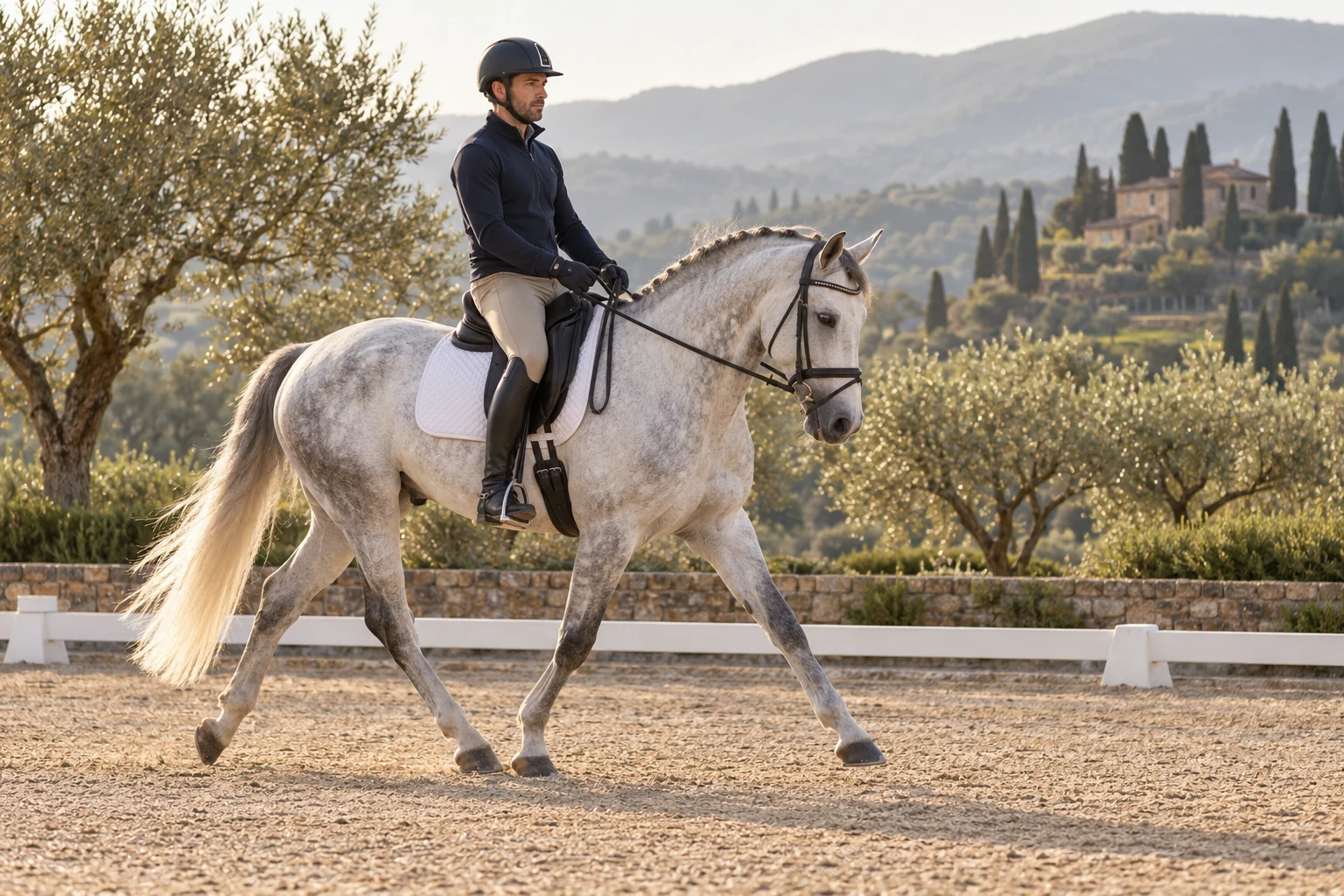
Process, performance and outcome goals to guide everyday practice.
A realistic view of your abilities and your horse’s preparation.
Focus on useful cues and regain attention after distractions.
Breathing and arousal regulation to meet competitive demands.
Useful thoughts and mental practice of movements, courses and situations.
Recognise errors, refocus and continue with a pre-competition plan.
Before: goals, routines and contingency plans. During: attention, decisions and reading the horse’s responses. Afterwards: analysis, learning and revised goals. Support may include online sessions, video reviews and coordination with your coach.
“The aim is to develop resources and consistency, without promising competitive results.”
Improve my mental preparationEvery horse has individual characteristics and a learning history. We observe behaviour in context to understand needs and make handling, education and training clearer.
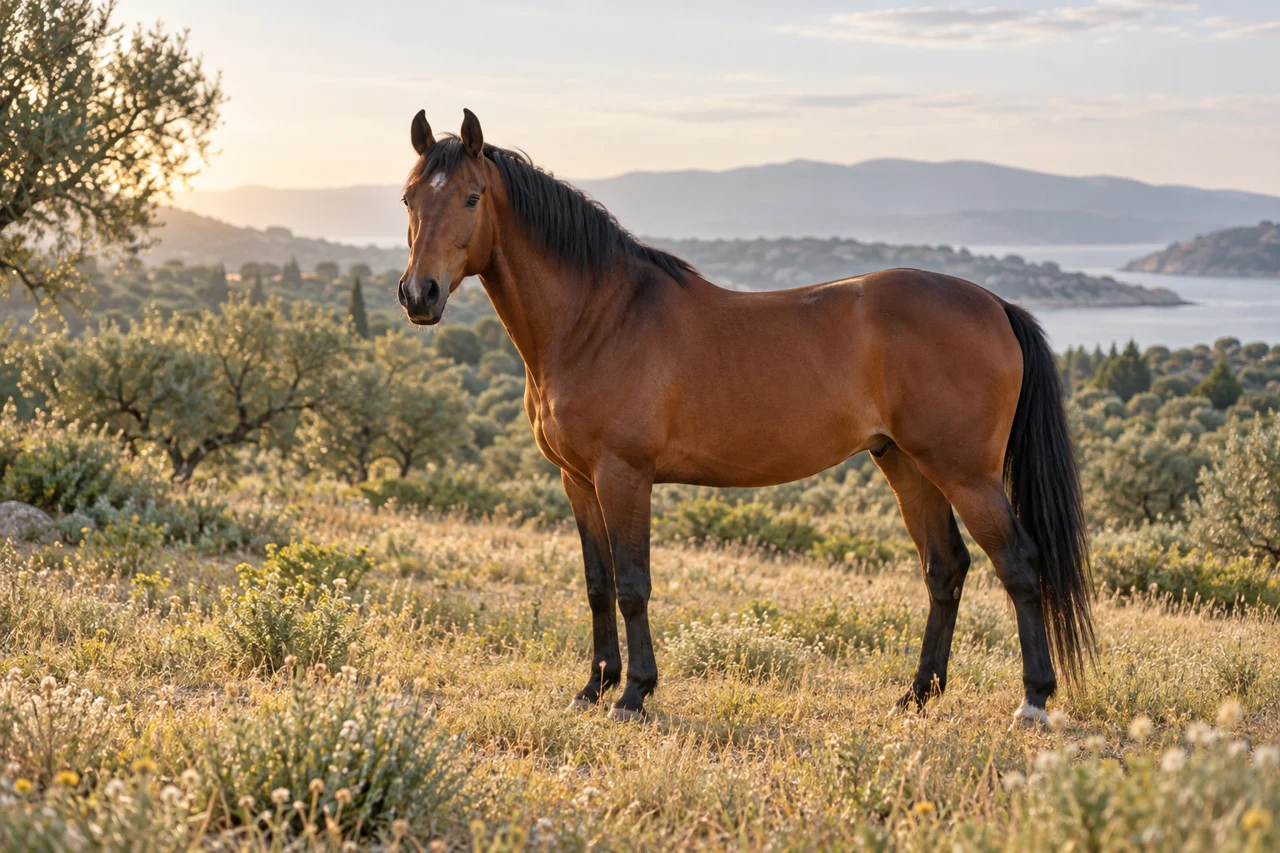
Reactivity, sensitivity and sociability inform an individual approach without rigid labels.
Habituation and sensitisation; classical and operant conditioning; generalisation and discrimination. Positive reinforcement adds something rewarding; negative reinforcement removes pressure and is not punishment.
Fear of stimuli, loading, handling, lunging and defensive or avoidance responses: understand before intervening.
Clear, consistent aids, observation of signals and understandable learning experiences.
Social contact, movement, feeding, housing and routines are part of the assessment.
The needs, experience, abilities and expectations of both partners.
We gather the horse’s history, observe antecedents and consequences, develop hypotheses and plan strategies. We support the owner and review progress. Signs of pain or illness require a veterinary assessment.
“Understanding causes and protecting welfare guide every decision.”
Ask about my horseUnderstand your situation, needs and goals.
Identify psychological, behavioural and environmental factors.
Agree realistic goals and tailored strategies.
Apply skills, observe changes and adapt.
Transfer learning to everyday riding and build independence.
Posture, balance, body awareness and psychological skills in a controlled setting.
A complementary resource for representing situations, mental practice and coping exercises.
Understand thoughts, emotions, motivation and response patterns.
Review training and interactions to turn observations into practical actions.
Goals, imagery, attention, self-regulation and action plans.

I am a psychologist and qualified equestrian sports instructor, with training in sports coaching and high-performance psychology. My background brings together equestrian practice, teaching and the development of technological tools. This perspective helps me connect human psychological processes with equine behaviour and learning, turning knowledge into practical resources.
I designed HERD, Human and Equine Relationships Diagnostic: a project focused on understanding people, horses and their relationship.
Explore the HERD project ↗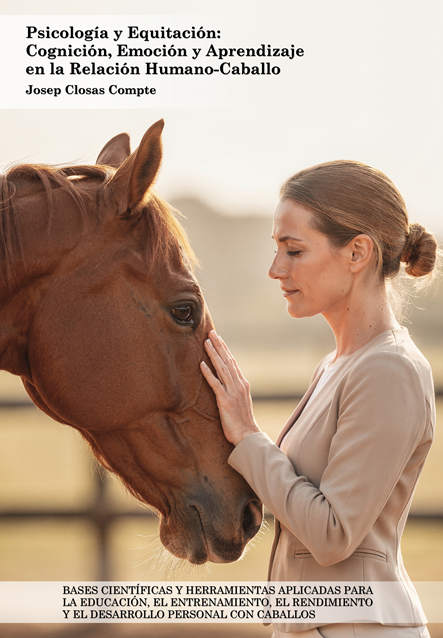
A book exploring the human–horse relationship through cognition, emotion and learning. It connects scientific foundations with education, training, performance and personal development with horses.
Spanish-language edition
Buy the book on AmazonNo. Support is also for leisure riders who want to enjoy riding with more confidence.
We can explore what happened and plan gradual work suited to you, without fixed deadlines or guaranteed outcomes.
Yes, by identifying triggers, resources and safety conditions. Where clinical healthcare is needed, referral to an appropriately qualified professional is required.
Rider psychology addresses psychological difficulties and skills related to riding. Coaching focuses on goals, preparation and performance.
Yes. We agree the format according to your goals, using self-monitoring and video where helpful.
We assess this after understanding your situation, agree a plan and regularly review its usefulness.
Yes, through observation, learning and welfare. Possible physical causes require veterinary assessment.
Coordination can help, always with your agreement.
Yes. Training and competition videos help identify patterns and practical improvements.
We discuss your situation, gather information and explore goals and suitable support.
Tell me what you would like to change. We will explore the right support together.
By appointment · In person and online
Orient, 78–84, Floor 3, Office 15